
Blackjack Casinos in New Zealand: How to Compare
 Available in US
Learn how hand values and player choices work, then assess table formats, casino options and factors that can change decisions.

Table of Contents
- How Blackjack Works at the Table
- Blackjack Casinos in New Zealand: The Regulatory Context
- How to Compare Blackjack Tables and Casino Options
- Online RNG and Live-Dealer Blackjack: What Changes
- What to Check Before Playing High-Stakes Blackjack
- Why Blackjack Variants Can Change Your Decisions
- Blackjack Decisions, Counting and the Limits of Betting Advice
How Blackjack Works at the Table
Blackjack is a contest between each player and the dealer, not a competition among the players. Your aim is to make a hand total closer to 21 than the dealer’s hand without going over 21. If your total exceeds 21, the hand is a bust and cannot win, even if the dealer later goes over as well.
Card values determine the total. Number cards count as the number printed on them, while each face card counts as 10. An ace can count as either 1 or 11. Its value is treated in whichever way gives the hand the more useful total without exceeding 21. For instance, an ace with a 6 can be counted as 7 or 17; if another card would make the total exceed 21 when the ace counts as 11, it can count as 1 instead.
Once you have a hand, you choose how to respond to its total and the dealer’s visible information. The basic choices are hit, stand, double down or split. Hitting means taking another card, which may improve the total but can also push it over 21. Standing means taking no more cards and leaving the hand’s current total to be compared with the dealer’s.
Choosing a blackjack casino in New Zealand means weighing what is clearly stated about each option. Use this list as a starting point, and check the details that matter to you before choosing.
License: Tobique Gaming Commission, licence no. 0000002 Ricky Casino lists a licence from the Tobique Gaming Commission, number 0000002. That gives you a specific licensing detail to consider.
License: Curaçao Gaming Authority, licence no. OGL/2024/165/0185 BitStarz lists a Curaçao Gaming Authority licence, number OGL/2024/165/0185. You can use that identifier when reviewing its licensing information.
License: 07017519840 · Payout speed: 1-3 business days Zotabet lists licence number 07017519840 and a payout speed of 1–3 business days. These details give you a licensing identifier and a stated payout timeframe to consider.
License: Tobique Gaming Commission, licence no. 0000091 7Bit Casino lists a Tobique Gaming Commission licence, number 0000091. This provides a specific licensing detail for your checks.
Payout speed: 1-3 business days Lamabet states a payout speed of 1–3 business days. This gives you a stated timeframe to factor into your review.
License: Malta Gaming Authority, licence no. MGA/B2C/370/2017 Play Grand lists a Malta Gaming Authority licence, number MGA/B2C/370/2017. You have a specific licence identifier to refer to when assessing the casino.
License: Malta Gaming Authority, licence no. MGA/B2C/394/2017 N1 Casino lists a Malta Gaming Authority licence, number MGA/B2C/394/2017. Its stated licence details offer a concrete point for your checks.
Payout speed: 1-3 business days Wintino states a payout speed of 1–3 business days. This is the available practical detail to consider when reviewing it.
License: Tobique Gaming Commission, licence no. 0000064 Neospin lists a Tobique Gaming Commission licence, number 0000064. This gives you a specific licensing detail to verify.
Doubling down means increasing the bet for that hand and taking one additional card before standing. The precise conditions for doubling can depend on the table’s rules, so the option is not necessarily available in every situation. Splitting applies when your first two cards have the same value: you separate them into two hands, place a further bet for the second hand, and play each hand in turn. The two hands are then assessed separately against the dealer.
These choices affect the chance of improving a hand and the risk of going bust. A low total may leave room to hit, while a total near 21 may make standing more appealing; neither choice changes the goal. The result depends on how your final hand compares with the dealer’s: being closer to 21 is not enough if you have already exceeded it.
Blackjack Casinos in New Zealand: The Regulatory Context
The rules for online casino gambling in New Zealand are changing. The Online Casino Gambling Act 2026 created the country’s first domestic licensing system for online casino gaming, but its passage did not mean that the full regime began operating at once. A transition period applies, with different requirements for providers already serving New Zealand customers and for the system that will follow.

For someone considering blackjack online, the key distinction is between a provider’s location, its status under the transition arrangements and the future domestic licensing framework. New Zealand law has prohibited online casinos from being based in the country. Before the new Act, gambling sites operating from overseas were not licensed or supervised by a New Zealand regulator. That history is relevant because the arrival of a domestic licensing framework is not the same as every site becoming locally licensed or every previous customer gaining domestic protections.
How the transition works
The Online Casino Gambling Act 2026 took effect on 1 May 2026. It set a transition window that runs from that date through 1 December 2026. During this period, online casinos that were already providing services to people in New Zealand before the Act took effect may continue operating, subject to the Act’s transitional provisions.
This is a limited continuation arrangement, not a declaration that all offshore casinos are licensed in New Zealand. The Act’s full licensed regime is not expected to be fully operational until 2027. Until then, the legal framework is moving from an earlier position—where overseas online casino gambling was not supervised by a New Zealand regulator—to a system that will permit domestic licensing under the new law.
The transition also sets a date for providers that want to remain in the market. A provider that has not applied for a licence must stop conducting online casino gambling in New Zealand by 1 December 2026. If a licence application is declined, the provider must cease all online casino gambling operations in New Zealand and leave the market. These conditions make the provider’s regulatory status time-sensitive: a site’s ability to operate during the transition does not establish that it will be authorised under the full regime.
Legal Penalties
Operators acting without a licence from mid-2027 may face enforcement action and fines of up to NZ$5 million.
Unlicensed operation is expected to become an offence from around mid-2027. Operators that act without a licence may face enforcement action and fines of up to NZ$5 million. Those consequences concern providers, not customers. New Zealand residents do not incur a fine or criminal prosecution merely for playing with an offshore casino that lacks a local licence, and such sites are not generally blocked from access on that basis.
Which bodies have which roles
The Department of Internal Affairs is New Zealand’s primary gambling regulator and oversees regulation of the online casino licensing framework. Its role is broader than deciding an individual casino’s licence application: it is responsible for the regulatory framework around online casino gambling.
The Gambling Commission has a distinct decision-making function. It hears and determines casino licensing applications, issues online casino licences and approves changes to licence conditions. In practical terms, the Department oversees the framework, while the Commission is responsible for licensing decisions and specified changes to the conditions attached to licences. Keeping those functions separate helps explain why a new law, oversight of the system and the grant of a particular licence are not interchangeable steps.
The Gambling Act 2003 remains relevant to the domestic setting: it does not allow online casinos to be based in New Zealand. The 2026 Act establishes the new licensing route for online casino gaming, rather than making the earlier prohibition on locally based online casinos disappear by implication. The transition and licensing framework therefore need to be read as a regulated changeover, not as unrestricted permission for any operator to establish a New Zealand-based casino.

What the change means for customers
Before the 2026 Act, a person using an offshore website was wagering with a service that had no New Zealand regulator supervising its online casino gambling. A customer in that position had no domestic government recourse in relation to that gambling service. The new licensing system is intended to establish domestic oversight, but that does not retroactively change the regulatory status of past play or automatically place every overseas website under New Zealand supervision.
During the transition, the fact that a site is accessible to New Zealand residents is not proof that it holds a New Zealand licence. Nor does the ability to keep operating under the transitional provisions mean the provider has already completed the licensing process. These are separate matters: access describes whether a customer can reach the service; transitional permission concerns which existing providers may continue for a limited period; and a licence is a regulatory authorisation under the new framework.
Licensed operators will have to apply stricter age and identity verification systems. For customers, this means that establishing identity and age is part of the regulated service, rather than a matter that can be assumed to happen uniformly across all sites. The new requirements attach to licensed operation; they should not be taken as evidence that an unlicensed offshore site follows the same controls.
Verification Requirements
Licensed operators are required to implement stricter age and identity verification systems for their customers.
Advertising also has limits. During the transition, online casino gambling services must not be advertised to people in New Zealand. Once licensed operators can advertise, that activity remains subject to tight rules, and sponsorships are prohibited. A promotional message or brand presence should therefore not be treated as evidence that an operator is licensed or that its advertising complies with the regime. The legal status depends on authorisation and the applicable rules, not on how familiar a name or promotion appears.
Reading claims about New Zealand casinos
When you see a claim that a blackjack casino is “licensed in New Zealand,” identify what kind of status is being described. It may refer to a provider continuing under the transition, an application being made, or a licence actually being issued. Those stages are not equivalent. The Gambling Commission is the body responsible for determining applications and issuing licences, while the Department of Internal Affairs oversees the framework.
This distinction matters in a market where rules are changing on set dates. A provider permitted to continue during the transition may still need to apply to remain after that period. A provider that does not apply must stop operating in New Zealand by 1 December 2026, and a declined application requires it to cease operations and exit the market. The full licensing system is expected to be operational in 2027, while unlicensed operation is expected to become an offence around mid-year.

For New Zealand customers, the core point is that the 2026 Act introduced a domestic licensing framework, but the transition means the market does not move from its former position to a fully operational licensing regime all at once.
How to Compare Blackjack Tables and Casino Options
A blackjack table is not defined by its name or appearance alone. Its posted rules determine how a winning hand is paid, and those terms can differ between tables offered by the same casino. To compare options, start with the payout for a natural blackjack, then check whether the figures refer to the same hand and the same kind of payout.
A specialist review describes natural-blackjack payouts of 3:2 at some tables and 6:5 at others. Treat those as distinct terms to verify at the table, not as a guarantee about what any casino currently offers. The ratio shows the payout relative to the stake: a 3:2 payout returns more for the same qualifying hand than a 6:5 payout. If all other conditions are equal, the more generous payout makes that particular result worth more to the player.
That comparison is useful, but it is not a complete assessment of a table. The headline payout concerns only a natural blackjack. It does not tell you how every other hand is settled, nor does it show whether another rule changes the overall conditions. Read the table’s own rules before playing, and compare like with like rather than relying on a short label or promotional description.
- Verify the natural-blackjack payout at the table
- Read the full table rules before playing
- Compare tables using the same hand definition
- Rely on short labels or promotional descriptions
- Assume two tables use terms identically
- Use a single payout figure as a complete measure
Check what the payout applies to
First, establish which hand qualifies for the listed natural-blackjack payout. The table rules should explain the relevant condition and state the payout clearly. If the description is ambiguous, you cannot reliably compare it with a table whose terms are explicit. Do not assume that two tables use a term in precisely the same way because their titles look similar.
Next, distinguish the payout from the return of the original stake. A ratio describes how winnings are calculated in relation to the stake; the table’s wording should make clear how the result is credited. When comparing descriptions, look for a consistent explanation rather than inferring the settlement from a prominent number or image.
The practical test is simple: can you tell what happens to the stake and what winnings are awarded when the qualifying hand occurs? If not, the information is not yet sufficient for a sound comparison. Check the full rules or seek clarification before committing money. A casino option that gives you less transparent terms is harder to assess, even if its headline payout appears attractive.
Compare tables on equal terms
A useful comparison holds the conditions constant. If one table offers a 3:2 natural payout and another offers 6:5, the payout difference is clear, but it does not prove that the first table is better in every respect. Other rules may differ, so record the payout alongside the rest of the table conditions and avoid treating one figure as a complete measure of value.
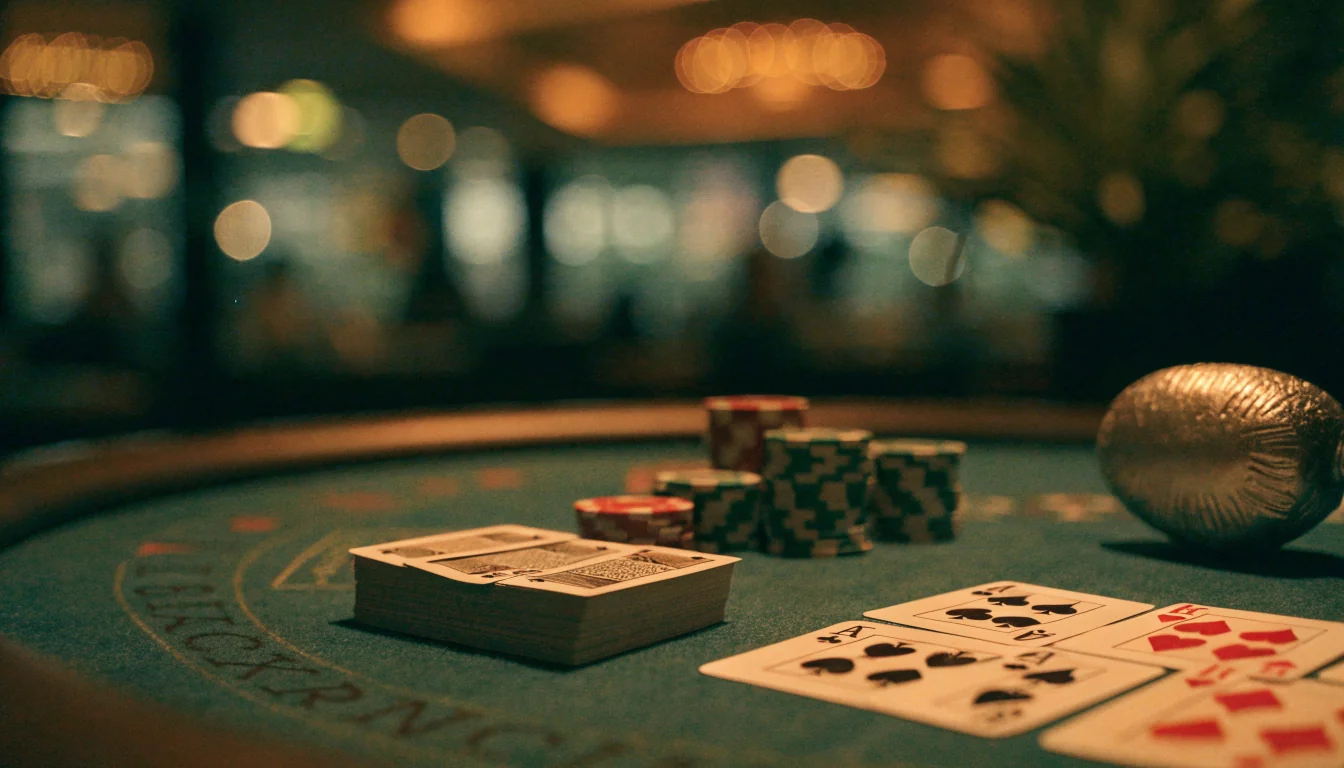
This also prevents a common mistake: comparing the most favourable detail from one table with the least favourable detail from another. Review each table as a whole. Confirm that you are looking at the rules for the specific game you intend to play, not a general casino page or a description of a different table. If the casino provides several versions, the terms attached to one version should not be assumed to apply to the others.
A useful comparison note can be brief: identify the table, write down its natural-blackjack payout, and mark any rule you still need to confirm. This is not a scoring system. It is a way to keep the evidence visible so that a prominent payout does not crowd out an unresolved condition. If you cannot verify a term, leave it marked as unknown rather than filling the gap with an assumption.
Separate table terms from casino presentation
A casino’s presentation can make a table seem more appealing without changing its rules. Graphics, labels and promotional wording do not establish how a hand is paid. Use the game’s rules as the basis for comparing the table, and treat broad claims about value as unproven until the exact terms support them.
The same discipline applies when a casino advertises a bonus alongside blackjack. Read the fine print and bonus conditions on trustworthy sites and casino pages before playing with real money. Blackjack may contribute differently to wagering requirements, and maximum bet rules may apply while those requirements are active. A bonus can therefore have conditions that affect how you use it; the table’s payout alone does not explain those conditions.
Attention: Blackjack may contribute differently to wagering requirements, and maximum bet rules may apply while these are active.
Keep the decision about a bonus separate from the comparison of the blackjack table. One concerns the settlement terms of a hand; the other concerns conditions attached to an offer. Combining them into a single impression of “value” makes it harder to see what you are actually agreeing to. If the bonus rules are unclear, do not rely on an assumption that blackjack will count in a particular way.
Use a repeatable check
Before choosing between casinos with blackjack, apply the same check to each table:
- Find the rules for the exact game and confirm the natural-blackjack payout.
- Make sure the payout wording tells you how the result is settled.
- Compare tables using the same hand definition and the same basis for the payout.
- Note other table rules that differ, rather than assuming the payout is the only difference.
- Review any bonus terms separately, including wagering requirements and maximum bet rules.
This process does not identify a universally best blackjack casino. It gives you a defensible way to judge whether a specific table’s terms suit your preferences and whether you have enough information to compare it with another. If two tables have different rules, their payouts alone cannot settle the comparison. If the relevant rules are not stated clearly, the responsible conclusion is that the comparison remains incomplete.
The aim is not to predict a result from a payout label. It is to understand what the table promises for a qualifying hand, distinguish that promise from unrelated promotional claims, and compare the exact terms available to you. Set a budget before playing and do not chase losses; a favourable payout term does not remove the uncertainty of individual hands or make continued play a way to recover money.
Online RNG and Live-Dealer Blackjack: What Changes
The main difference between electronic blackjack and a live-dealer table is how the cards reach you. In an RNG game, software generates the deal and shuffles the cards. In a live game, a dealer handles actual cards, with a camera stream showing the table. That change affects the pace and the conditions in which you play, but it does not remove the need to understand the table’s rules.
Software-shuffled games
RNG blackjack runs through a digital interface. You select an action on screen, and the software processes it before presenting the next part of the hand. Because there is no physical dealing or live stream to wait for, rounds can move faster than at a live-dealer table. You can also play without coordinating your decisions with a dealer or other players at a table.
That pace can make the experience feel more continuous, but it also means decisions arrive in quicker succession. If you want time to read the displayed rules or consider an action, check whether the game lets you pause between hands. The interface may show cards, available actions and the result of each hand, but the presentation varies by game.
Electronic blackjack at casinos is still blackjack played through software, not a physical table reproduced in every respect. The dealing method is automated, and the game’s stated rules determine how the hand proceeds. Do not assume that a familiar visual layout means the rules match those of another table.
Software-generated deals and shuffles allowing for a faster pace and independent decision-making.
Physical cards handled by a human dealer via video stream, offering an experience similar to a physical casino.
Live-dealer games
A live-dealer game uses physical cards and a human dealer, with the table delivered to your screen by video. The setup resembles sitting at a casino table: you see the dealer handle the cards rather than receiving a purely software-rendered deal. The stream, however, adds a connection between the table and your device. Video or input delays can slow the hand, so the pace may be less immediate than in an RNG game.
The live format may also come with higher bet requirements than a software-shuffled game. Check the displayed table conditions before joining; the visual similarity to a physical casino does not tell you what the required bet is. Streaming quality and timing matter too. If the picture or your connection lags, you may have less time to respond than the interface appears to allow.
Choosing by play conditions
Neither format is automatically the better choice. RNG blackjack suits a player who wants faster rounds and a fully digital interface. Live dealing suits someone who prefers to watch actual cards being handled and accepts that streaming can affect timing. A person comparing blackjack rooms in London faces the same practical distinction: the city or venue does not change the difference between software dealing and a streamed physical table.

Before starting, confirm that the game is blackjack, review its rules and check any stated bet conditions. Then consider whether the pace and presentation let you make decisions without feeling rushed. The relevant choice is not simply electronic versus live; it is whether the dealing method, connection and table conditions fit the way you want to play.
What to Check Before Playing High-Stakes Blackjack
A larger bet makes the table’s rules more consequential: the same hand can return a different amount, or lead to a different decision, under different conditions. Before sitting down, read the table rules rather than relying on the game name or its displayed stakes.
A specialist review describes variation in deck count, whether the dealer hits or stands on soft 17, surrender availability and blackjack payouts. Treat those as separate checks. A payout rule affects what a winning blackjack returns; the soft-17 rule changes how the dealer plays; and surrender, where offered, changes what you can do with a hand. Deck count is another condition to identify, not a detail to assume is the same across tables.
Confirm that the rules shown apply to the exact table you intend to use. If the game information is unclear, do not infer a rule from another table or from a general description of blackjack. At higher stakes, a small misunderstanding can affect repeated hands, so resolve it before placing a substantial bet. Check whether the displayed payout applies to a natural blackjack and whether the dealer’s soft-17 rule is stated plainly.
High-Stakes Check
- Confirm the natural-blackjack payout for the specific table
- Verify the dealer’s soft-17 rule
- Check the deck count
- Determine if surrender is available
- Review promotion and wagering requirements
Also inspect any promotion terms before playing with real money. Blackjack may contribute differently from other games toward wagering requirements, and maximum-bet rules can apply while those requirements are active. A table’s normal rules and a promotion’s conditions are distinct: understanding one does not establish the other. Read the fine print on trustworthy sites and casino pages, and avoid accepting terms you cannot interpret.
Set a budget before play and do not increase it to chase losses. A high-stakes table does not change the uncertainty of the next hand, and a previous loss does not make a win more likely. Choose a bet size that remains within your budget, then stop when you reach the limit you set. If the rules or terms are not clear, choosing not to play is a practical way to avoid committing money under conditions you have not checked.
Why Blackjack Variants Can Change Your Decisions
A strategy is not a rule that applies identically to every blackjack table. It is a response to the rules in force: a change in what you may do, or in how the dealer’s hand is played, can change which decision is preferable in a given situation. The same cards can therefore call for different choices under different variants.
Consider surrender. Where the option is available, you can give up a hand under the table’s conditions rather than continue it. That changes the choices available when a hand looks unfavourable. If surrender is not offered, that branch of the decision is unavailable, so your approach must account for the remaining options instead.
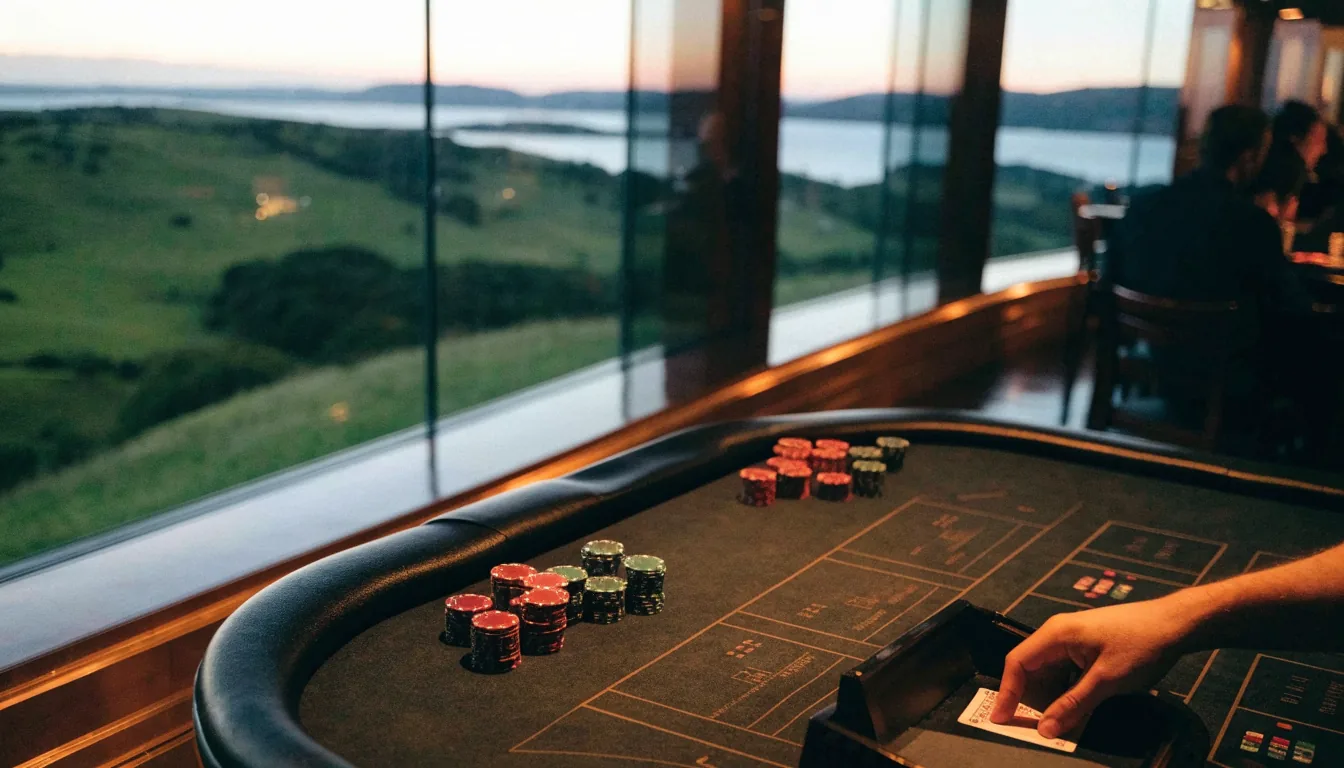
Doubling and splitting also affect the decisions a variant permits. Doubling changes how much you commit to a hand after seeing your initial cards; splitting turns a pair into separate hands, each requiring its own decisions. If a table restricts either action, a strategy that depends on using it cannot be followed as written. The point is not that one action is always correct, but that the rules determine which actions are possible and when a strategy can use them.
Dealer rules matter as well. Whether the dealer hits or stands on soft 17 can change the outcome against which your choices are assessed. The number of decks is another feature that varies between games and can affect the calculations behind strategy. These details interact: assessing a variant means considering its full rule set rather than treating one familiar feature as decisive.
That interaction also affects the house edge—the mathematical advantage built into the game’s rules over repeated play. Variants can shift that advantage, but the name of a game or a single rule does not, by itself, establish how favourable the whole table is. A decision chart or remembered strategy may not fit if it was built for different rules.
Before applying a strategy, identify the variant’s rules and check that the guidance matches them. This is especially important when surrender, doubling, splitting, dealer play or deck composition differs from what you have practised. In casino blackjack, the rules are part of the decision problem, not a detail to notice after play begins.
Blackjack Variants
- Strategy is a response to specific table rules, not a universal set of rules
- Options like surrender, doubling, and splitting change available decisions
- Dealer rules (e.g., soft 17) and deck count affect the house edge
- Guidance must match the specific variant’s rules to be applicable
Blackjack Decisions, Counting and the Limits of Betting Advice
A blackjack hand is shaped by both the cards and your choices. That does not mean every choice can control the result: the dealer’s cards remain uncertain, and a sound decision can still be followed by a loss. A useful approach separates decision quality from the outcome of one hand. You can make a decision consistent with the table’s rules and still lose; you can also win after a poor decision. Neither result, by itself, proves that the choice was good or bad.
This distinction matters when looking for advice on how to win at casino blackjack. No betting pattern can make a particular hand certain to win. Advice that promises a guaranteed result treats uncertainty as if it could be removed by increasing, reducing or rearranging bets. It cannot. A betting system may change the size and timing of wagers, but it does not change the cards dealt or turn an unfavourable decision into a favourable one.
Make decisions from the rules, not from a streak
A sequence of wins or losses can feel like evidence that the next hand is due to behave differently. It is not a dependable basis for a decision. The cards already dealt do not guarantee what will come next, and a run of results does not make a later hand certain to reverse direction. Before playing, understand the rules that govern the decisions available at the table. Then use those rules consistently rather than changing your approach in response to a short run of outcomes.

The same discipline applies to tips presented as universal. A recommendation may depend on the table’s rules, so it can be misleading when separated from its context. Advice that does not say what conditions it assumes is difficult to evaluate. It may sound precise while leaving out the factor that determines whether it applies. When you cannot tell what a tip relies on, treat it as an unsupported claim rather than a reliable method.
Insurance is a separate decision, not a way to protect a hand from every possible loss. For most players, it is best avoided as a bet. Do not treat the word “insurance” as proof that the wager is a safe choice. Consider it separately from your main hand, and do not add it simply because the situation feels risky.
Card counting and what it can tell you
Card counting means keeping track of cards through mental calculation. In New Zealand, doing this mentally is not illegal under New Zealand law. That legal point should not be confused with a promise of profit or with advice that counting will work in every setting. It describes the legal status of the mental activity, not a guaranteed result.
Counting is an attempt to use information about cards already seen when assessing the remaining mix. Even where a player can keep such a count, it does not reveal the next card or remove uncertainty. A count is not a prediction of a certain outcome, and it does not ensure that a player will win a hand, a session or money overall. Claims that a counting system cannot lose confuse a method for organising information with certainty about what happens next.
Card Counting Law
While mentally counting cards is not illegal under New Zealand law, it does not remove uncertainty or guarantee profit.
The method also depends on the conditions of play. In an online game that uses automatic software shuffles, card counting should not be presented as an effective way to gain an advantage. The shuffle changes the conditions on which a count would rely. A method described without attention to how cards are dealt may therefore promise more than the situation supports.
Be cautious of advice that moves from “this can be counted” to “this will make you win.” Those are different claims. The first concerns a player’s mental activity; the second asserts an outcome that cannot be guaranteed. A careful explanation should state the conditions it assumes and the limits of what the method can establish. If it skips those limits, a confident tone does not make the advice more dependable.
Treat betting plans as limits, not systems for winning
A betting plan can help you decide in advance how much you are willing to risk and when to stop. Its useful function is to put boundaries around your play, not to make losses recoverable or wins inevitable. Set a budget before you start and do not chase losses by raising your stakes in an attempt to get back to an earlier position. A loss is not evidence that a larger next bet is owed a win.
Keep the amount you are prepared to lose separate from any money needed for other purposes. If you reach the limit you set, stop rather than revising it in response to the result. The same applies after a win: a favourable run does not prove that continued play will preserve the gain. A clear stopping point prevents a temporary result from silently changing the amount you intended to risk.
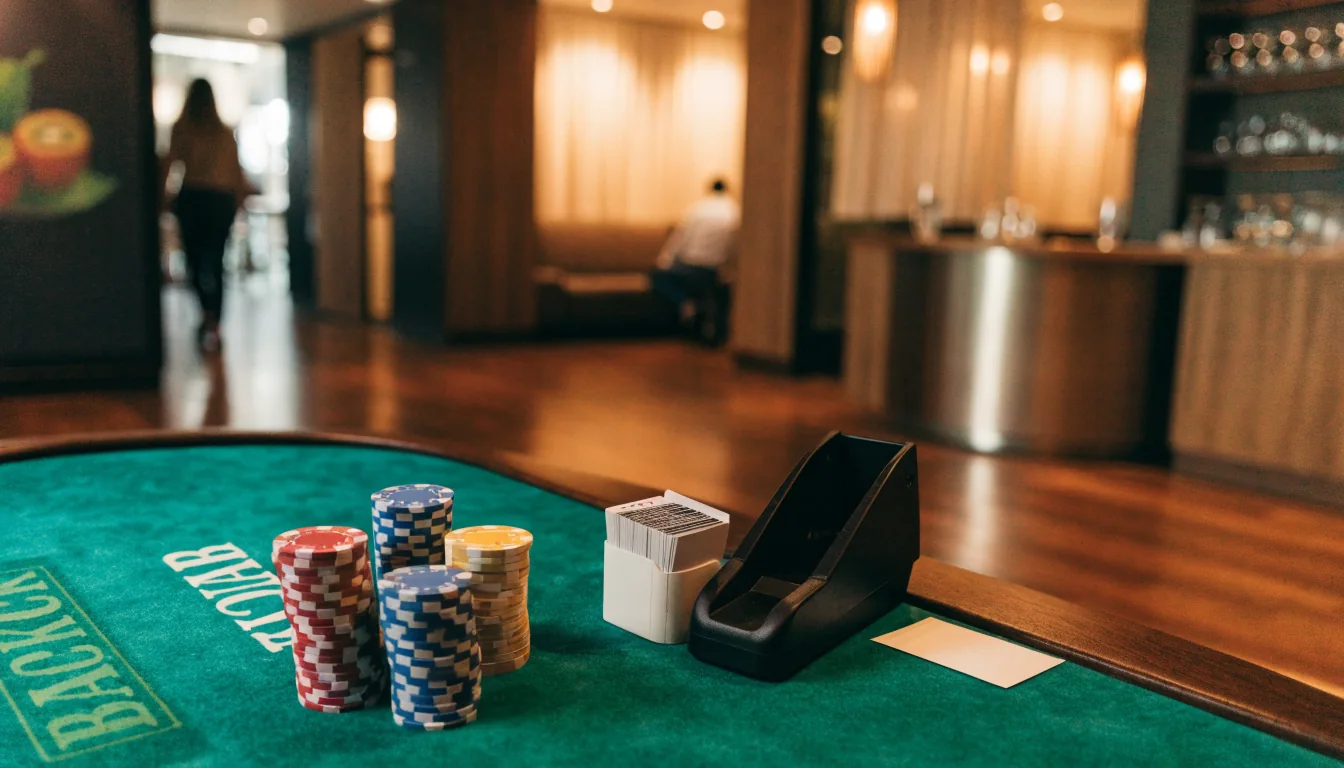
If you use a bonus, read its conditions before wagering. Check how blackjack contributes to wagering requirements and whether maximum bet rules apply while those requirements are being met. A bonus can carry conditions that affect how play counts; the headline offer alone does not explain them. Read the fine print on trustworthy sites and casino pages, and do not assume that blackjack is treated like every other game under a promotion.
Put large wins in perspective
Stories about the biggest blackjack win can attract attention, but a reported result does not show what another player should expect. A large win is an outcome, not a repeatable instruction. Without knowing the conditions and decisions behind it, you cannot use the story to establish a reliable approach. Even a well-described win does not show that the same choices will produce the same result for you.
This is why “how to win” advice should be judged by what it actually explains. Does it identify the assumptions behind a decision? Does it distinguish a possible result from a certain one? Does it acknowledge that a good decision can lose? If it instead relies on dramatic winning stories, escalating bets or claims that a system removes risk, it is not a dependable guide to play.
The payment method does not change this standard. Whether a site presents blackjack alongside a particular payment option, the method of payment is not a substitute for understanding the game or its rules. Do not infer that a payment label improves your chance of winning or validates a betting strategy. Evaluate claims about decisions on their reasoning, not on the way a casino accepts funds.
Good blackjack advice is limited by the uncertainty of the game. It can help you understand the basis of a decision, identify assumptions and avoid treating a short run as a forecast. It cannot promise that a hand will win, that a counting method will produce profit, or that a betting pattern will recover losses. Keep those limits in view, set a budget, and stop when you reach it.
Created by the ”Casino Payment NZ” editorial team.